
14th AICIF Day Two: Exploring Islamic Finance Transformation, Climate Resilience, and Global Sustainable Development
14th AICIF Day Two: Exploring Islamic Finance Transformation, Climate Resilience, and Global Sustainable Development
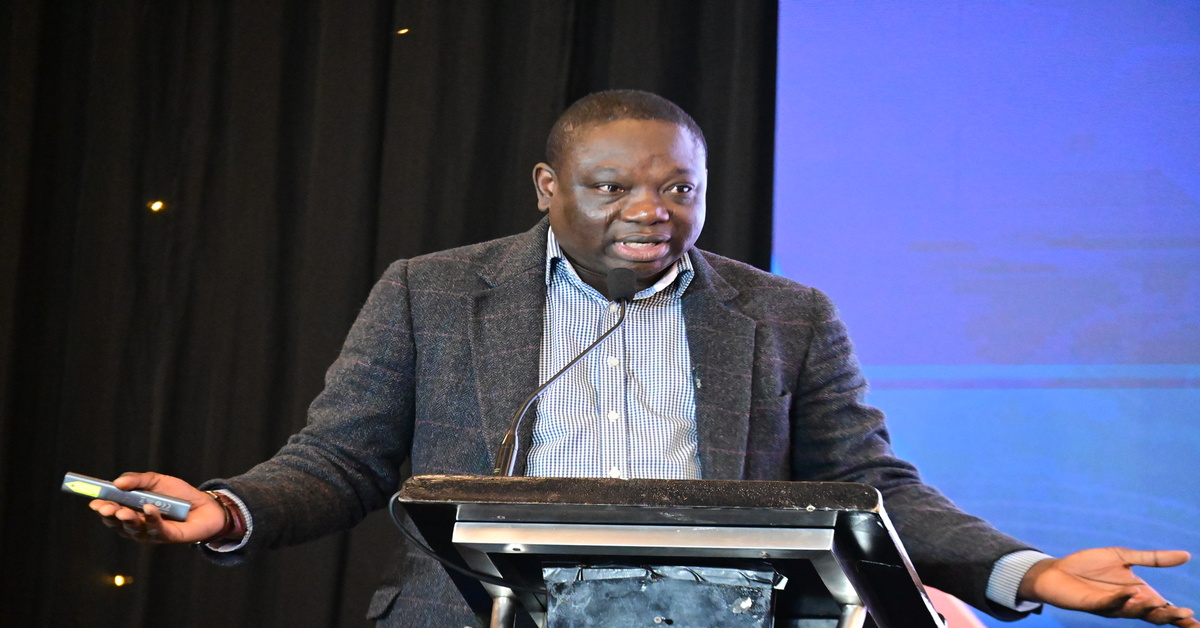
JAKARTA, OCTOBER 14, 2026 — The panel discussion and guest lecture session on the second day of the 14th ASEAN Universities International Conference on Islamic Finance (AICIF) took place with high enthusiasm at the Swiss-Belhotel Ballroom. Moderated by Deni Pandu, Ph.D. from UIN Syarif Hidayatullah Jakarta, the academic discussion featured renowned global economic expert Dr. Olatunji Shobande from Hartwick College, USA, who delivered strategic insights before hundreds of academics, practitioners, and Islamic finance students from various countries.
Carrying the main theme "Islamic Finance in the Contemporary Global Economy: Innovation, Stability, and Sustainability", Dr. Olatunji invited participants to re-examine the role of Islamic finance through the analogy of "Choose Your Aircraft: Navigating the Future of Global Finance".
Key Highlights from Dr. Olatunji Shobande’s Presentation:
-
Transformation Beyond Interest (Beyond Interest)
Dr. Olatunji emphasized that conventional interest-based systems frequently create debt traps and economic inequality for both households and businesses. Profit-sharing systems and real-economy trade within Islamic finance serve as viable alternatives to build stability without imposing excessive debt burdens.
-
The Modern Banking Dilemma and Financial Sector Analogy
Within the global financial landscape, conventional banking, Islamic banking, fintech, and sustainable finance are metaphorically compared to various types of aircraft sharing the same airspace. While each instrument possesses unique advantages and characteristics, all must adhere to the same standards of safety, trust, and accountability to maintain systemic stability.
-
Climate Resilience in Asia
Asia stands at the frontline of climate change risks—ranging from coastal flooding and heatwaves to extreme weather events. Dr. Olatunji highlighted the vital role of Islamic financial instruments such as Green Sukuk, Takaful (Islamic insurance), and Islamic microfinance in funding climate adaptation and safeguarding vulnerable populations from physical and economic losses caused by disasters.
-
Balancing Ethical Commitments and Climate Realities (Climate Justice)
The presentation also addressed the dilemma when climate disasters damage assets funded through Islamic financing. Contract structures (such as Murabahah, Ijarah, or Musharakah) play a critical role in determining risk distribution. Sharia compliance is measured not merely by the absence of interest (riba), but by fair risk-sharing and measurable climate resilience impacts (climate justice).
-
Synergy with UN SDGs and Institutional Challenges
Islamic finance principles closely align with the United Nations Sustainable Development Goals (SDGs). However, to optimize this potential, Islamic financial institutions must address fundamental challenges, including market liquidity, regulatory harmonization, human resource capacity building, Sharia governance, and cybersecurity.
The session proceeded with an interactive and dynamic Q&A session led by Deni Pandu, Ph.D. The 14th AICIF conference series is expected to continually serve as a platform for international academic collaboration in fostering an innovative, stable, and sustainable Islamic finance ecosystem for global prosperity. (AC)