
Can Zakat Funds Be Used for Disaster Prevention?
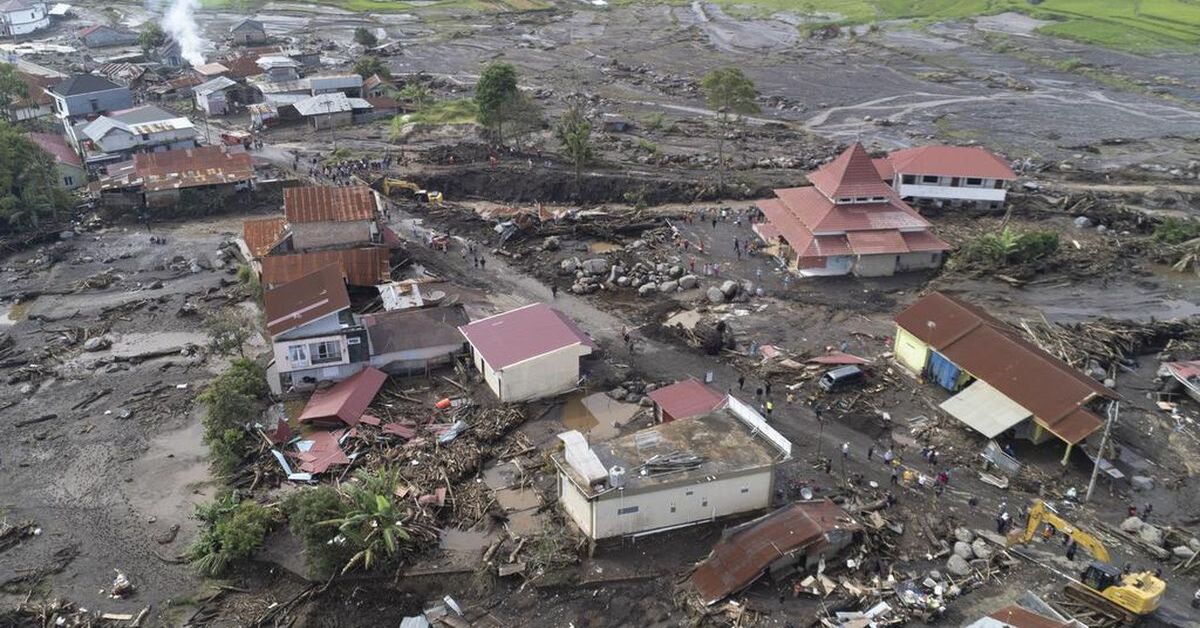
Entering the 15th day of the Sumatra disaster, it is known that the death toll has reached nearly 1,000 people, with the number of refugees approaching 1 million. Natural damage caused by human hands is believed to be the main cause of the flash floods and landslides in Sumatra. The question that then arises is whether Islamic zakat funds can be used for disaster prevention projects. Zakat funds should be able to provide a solution for financing infrastructure for the prevention of floods, landslides, earthquakes, tsunamis, and deforestation without neglecting the obligations of “human hands” (companies) to fulfill their corporate social responsibility obligations or the Partnership and Community Development Program (PKBL) in state-owned enterprises or Environmental Social Governance (ESG) requirements with People Planet Profit (3P) as the core.
Zakat is an obligation on wealth that must be fulfilled by Muslims and distributed to those who are entitled to it, as stated in the Qur'an, Surah At-Taubah, verse 60. In this verse, eight groups (asnaf) are mentioned as being entitled to receive zakat, namely: the poor, the needy, zakat administrators, converts, slaves, debtors, those fighting in the way of Allah, and travelers.
Utilization of the 8 Categories of Zakat for Disaster Prevention
1. The Poor and Needy: Assistance for disaster victims who have lost their possessions and fallen into the category of poor or needy.
2. Zakat Collectors: Management of zakat funds for the development of disaster prevention infrastructure.
3. Muallaf: Assistance for people who have recently converted to Islam and been affected by disasters.
4. Slaves: Freeing slaves affected by disasters.
5. Debtors: Assistance for people who are in debt due to disasters.
6. In the Way of Allah: Development of disaster prevention infrastructure that benefits the community.
7. Travelers: Assistance for travelers who have run out of supplies due to disasters.
Pros and Cons of Using Zakat Funds for Disaster Prevention
Pros:
- Zakat can be used to help disaster victims and build disaster prevention infrastructure.
- Zakat funds can be distributed directly to mustahik who are included in the eight asnaf zakat.
Cons:
- Zakat may only be given to the eight categories (asnaf) mentioned in the Qur'an.
- Broader collective needs should be supported through other social funds.
MUI DSN Fatwa on Environmental Damage
The Indonesian Ulema Council (MUI) has issued a fatwa stating that any action that causes damage to nature and contributes to the climate crisis is haram. This fatwa is contained in MUI Fatwa Number 86 of 2023 concerning the Law on Global Climate Change Control. The MUI also requests that all parties contribute to climate change mitigation and adaptation efforts.
Thus, zakat funds can be a solution for financing disaster prevention infrastructure, but they must be managed properly and in accordance with Islamic principles.
Disaster prevention infrastructure that can be funded by zakat includes:
1. Dikes and Waterways: Construction of dikes and waterways to prevent flooding.
2. Earthquake and Tsunami-Resistant Buildings: Construction of buildings that are resistant to earthquakes and tsunamis.
3. Reforestation and Greening: Reforestation and greening to prevent deforestation and landslides.
4. Health and Sanitation Infrastructure: Construction of health and sanitation infrastructure to prevent disease.
5. Roads and Bridges: Construction of roads and bridges to facilitate access to disaster-affected areas.
6. Early Warning Systems: Construction of early warning systems for natural disasters such as floods, earthquakes, and tsunamis.
7. Evacuation Sites: Construction of safe evacuation sites for communities when disasters occur.
Examples of this infrastructure can help reduce the risk of disasters and improve the quality of life of the community.
The mechanism for distributing zakat funds for disaster prevention can be carried out in several stages:
1. Zakat Fund Collection: Zakat funds are collected from the community through trusted zakat institutions.
2. Needs Identification: Zakat institutions identify the needs of communities that are potentially affected by disasters and determine the priorities for the distribution of zakat funds.
3. Fund Distribution: Zakat funds are distributed to communities affected by disasters through predetermined programs, such as the development of disaster prevention infrastructure, humanitarian aid, and others. This distribution can be carried out in collaboration with local governments (relevant agencies) or environmental organizations.
4. Monitoring and Evaluation: Zakat institutions monitor and evaluate the distribution of zakat funds to ensure that they are used effectively and efficiently.
Finally, the allocation of zakat (funds) can be considered to provide preventive benefits, even with greater costs and less media exposure than providing assistance to victims after a disaster occurs. The sincerity of zakat givers (muzakki) when their zakat funds are managed for disaster prevention infrastructure projects is very much needed because prevention is ‘silent’ and does not receive as much media coverage as the distribution of zakat funds to disaster victims (after a disaster has occurred), which often becomes an opportunity for image building and shaping public opinion about caring for others.
We hope that this can be considered and taken into account by relevant parties such as the Indonesian Ulema Council (MUI), the National Zakat Agency (Baznas), and the Islamic Charitable Foundation (LAZ) as managers of community funds. Thank you.
*Published on retizen.republika.co.id