
Realizing a Campus for All: Efforts to Provide Inclusive Facilities and Infrastructure
Higher education is often referred to as a “social escalator”—a machine that can elevate a person's status regardless of their background. However, for students with disabilities, this machine often breaks down, not because of a lack of intelligence, but because of the physical barriers that stand in their way.
Until now, indicators of progress in higher education have often been fixated on international accreditation, the number of scientific publications, or student achievements on the global stage. We often forget one fundamental foundation: physical inclusivity. How welcoming are our campuses to those who use wheelchairs, those who are blind, or those with other mobility impairments?
More Than Just Ramps and Elevators
Building inclusive infrastructure is not just about fulfilling regulatory obligations or installing one or two ramps in front of a building. Inclusivity is about independence.
When a student with a disability has to rely on the mercy of others just to reach a classroom on the second floor, that is where the educational institution fails to provide equal dignity. Ideal inclusive facilities should include:
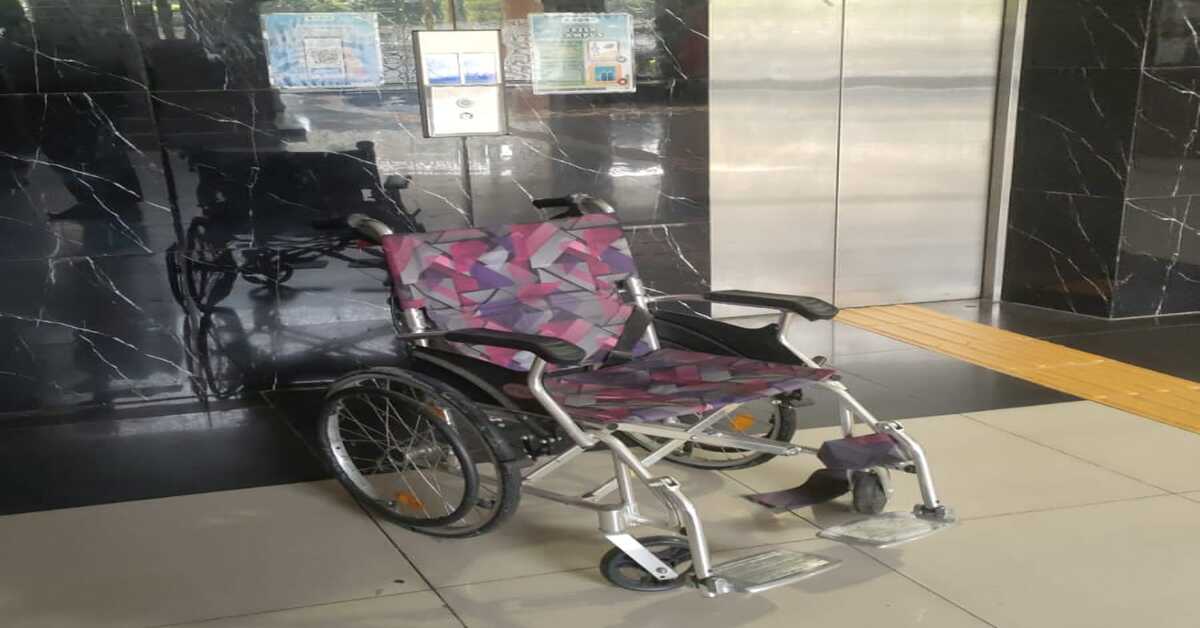
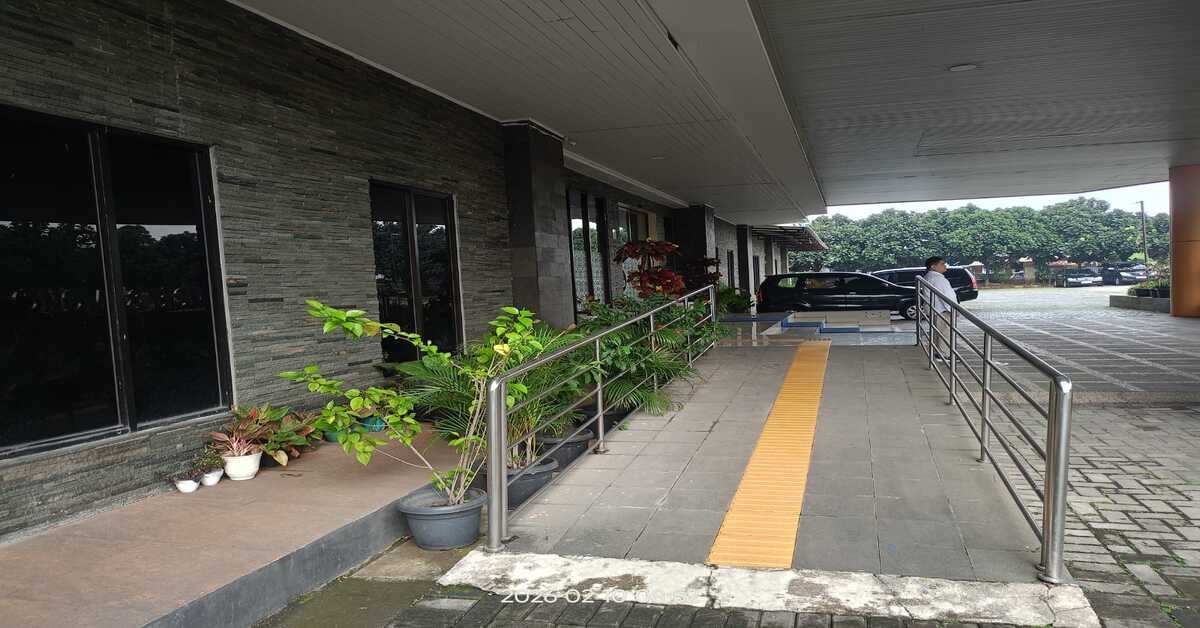
1. Mobility Accessibility: Uninterrupted guiding blocks, ramps with standard slopes, and elevators equipped with Braille buttons and voice sensors.
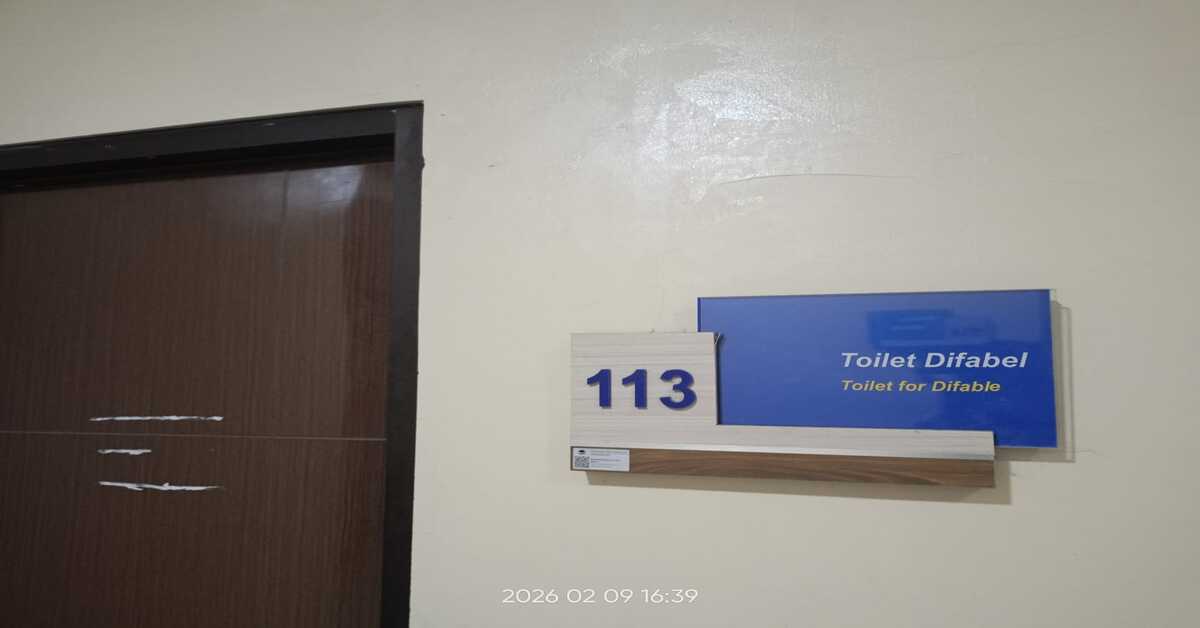
2. Support Facilities: Spacious accessible bathrooms, dedicated parking areas, and adjustable classroom furniture (tables and chairs).
3. Digital Access: Libraries that provide literature in audio or braille formats, as well as campus websites that are compatible with screen readers.
Barriers Are Not Just Concrete, but Mindset
Often, “limited budget” is used as an excuse for the lack of inclusive facilities. In fact, inclusive development is not an additional expense, but a long-term investment. Adopting the principles of Universal Design from the outset of construction is far more economical than retrofitting existing buildings.
Furthermore, infrastructure inclusivity reflects an institution's quality of empathy. An accessible campus sends a strong message that everyone is welcome here. This creates a richer educational ecosystem, where diversity of perspectives thrives because no talent is hindered by physical barriers.
Towards National Standardization
We need to encourage the standardization of inclusive infrastructure, which is an absolute requirement for university accreditation. The government and universities must collaborate to conduct regular facility audits. Students with disabilities must also be involved as key consultants in this development, as they are the ones who best understand the obstacles in the field.
Education is a fundamental right, and campuses are the crucibles for future leaders of the nation. Do not let high stairs and narrow doors become obstacles to the emergence of brilliant minds of the future simply because they are “different.”
Author: Ady Cahyadi – Lecturer in the Sharia Economics Program