
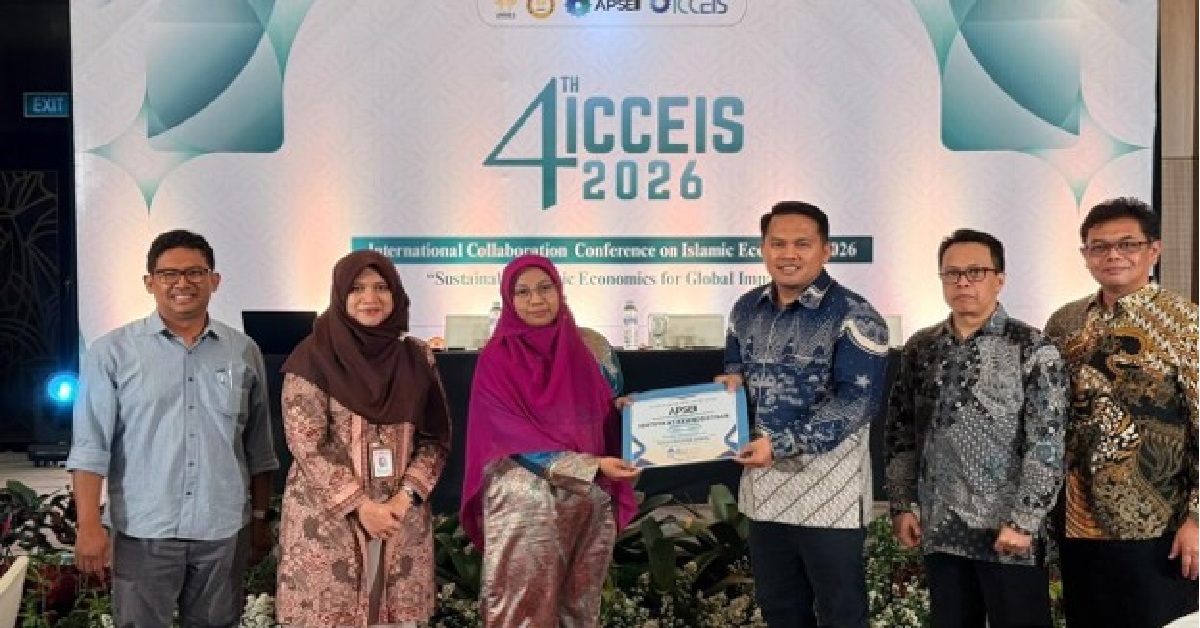
Sharia Economics Program Head Attends APSEII 2026 Plenary Session in Semarang, Strengthening Synergy Among Indonesian Islamic Economics Study Programs
Ciputat, September 8, 2026 — The Association of Indonesian Islamic Economics Study Programs (APSEII) held its 2026 Plenary Session at Hotel Tentrem Semarang on Tuesday (September 8, 2026). Hosted by Universitas Negeri Semarang (UNNES), the event was attended by heads and representatives of Islamic Economics study programs from various universities across Indonesia.
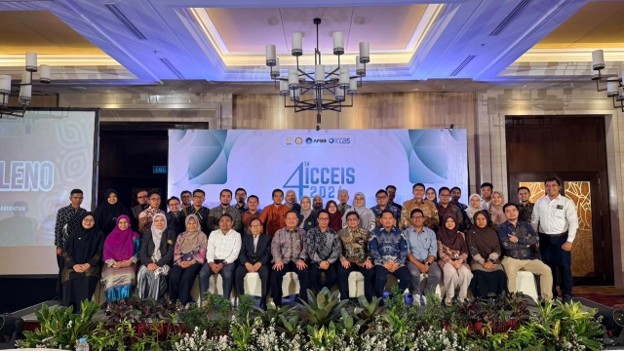
The Plenary Session is an annual APSEII agenda serving as a strategic forum for program administrators to discuss and exchange ideas on various issues regarding the development of Islamic economics education—ranging from curriculum synchronization and development, accreditation, and institutional strengthening to opportunities for cooperation between universities and with stakeholders.
This year's Plenary Session was held in conjunction with the 4th International Collaboration Conference on Islamic Economics (ICCEIS), making the forum even more strategic for expanding academic networks and international collaboration. APSEII prioritizes collaboration among institutions, academics, and practitioners as a crucial element in driving the advancement of Indonesia's Sharia economy and finance.
Ali Rama, Head of the Sharia Economics Study Program at the Faculty of Economics and Business (FEB) of UIN Syarif Hidayatullah Jakarta and Vice-Chair II of APSEII, stated that the Plenary Session serves as a vital moment to strengthen communication and synergy among Islamic economics study programs in Indonesia.
“This event is excellent for fostering communication and strengthening synergy among Islamic economics study programs in Indonesia. Through this forum, we can synchronize curricula, share experiences in program management, and build collaborations with policymakers and other universities.”
According to him, the challenges facing the future development of Islamic economics education require collaboration and alignment among stakeholders so that study programs can produce graduates who meet the needs of society and keep pace with developments in the Sharia economy and finance industry. The 2026 APSEII Plenary Session is expected to yield various agreements and collaborative agendas that strengthen the quality of Islamic economics education while enhancing the contribution of higher education institutions to the development of the Sharia economic and financial ecosystem in Indonesia.(ar)